Water Softener Installation for Protecting Pipes and Appliances
Hard water is one of those household problems that rarely kicks the door open and announces itself. It sneaks in quietly, leaves chalky rings on faucets, makes soap act like it has trust issues, and slowly coats the inside of pipes and appliances with mineral scale. By the time a homeowner calls a Plumber because the water heater sounds like a popcorn machine full of gravel, the hard water has often been busy for years.
Water softener installation is not glamorous. Nobody invites neighbors over to admire the brine tank. You do not post vacation-style photos of a new bypass valve. Still, a properly sized, properly installed softener can do more for the long-term health of a home’s plumbing and water-using appliances than many upgrades that get far more attention. It protects pipes, helps water heaters work less like exhausted mules, keeps fixtures cleaner, and makes laundry feel less like it was rinsed in quarry dust.
And yes, if you have ever scraped white crust off a showerhead with a butter knife, this one’s personal.
What hard water is doing while you are making coffee
Hard water contains elevated levels of dissolved minerals, mostly calcium and magnesium. Those minerals are not usually dangerous to drink, which is why hard water can go ignored for so long. The problem is not that the water is poisonous. The problem is that it is clingy.
When hard water heats up, evaporates, or sits inside plumbing and appliances, those minerals fall out of solution and form scale. Think of it as the water leaving little mineral souvenirs everywhere it travels. Some of those souvenirs are visible, like cloudy glassware, crusted faucet aerators, stiff towels, and spots on shower doors. Others are hidden, which is where the expensive trouble starts.
Inside a water heater, mineral scale settles on the bottom of the tank or coats heating elements. In a tank-style gas water heater, that sediment creates a barrier between the burner and the water. The system burns fuel heating the sediment before it heats the water. That is not engineering. That is paying utility money to warm rocks. In an electric unit, scale can shorten heating element life and cause uneven performance. In tankless units, scale buildup in the heat exchanger can reduce flow, trigger error codes, and eventually require descaling or Water heater repair.
Pipes residential AC repair service feel it too. Scale does not usually clog a pipe overnight unless the water is exceptionally hard and the system has other issues. It tends to narrow flow gradually. A half-inch line that once delivered strong pressure to a bathroom can become sluggish after years of internal buildup. Add a little corrosion, a few old galvanized sections, or undersized piping, and suddenly the shower upstairs behaves like it is rationing water during a drought.
Soft water is not magic, but it is very good plumbing manners
A traditional water softener uses ion exchange. The resin beads inside the softener tank attract hardness minerals and exchange them for sodium or potassium ions. The softened water then moves through the home with far less calcium and magnesium. Periodically, the system regenerates by flushing the resin with a brine solution from the salt tank, sending captured minerals down the drain.
That is the polite textbook version. The field version is simpler: hard water enters, less-annoying water leaves, and your plumbing stops collecting limestone like a cave.
A water softener does not remove every contaminant, and it is not the same thing as a filter. If you have iron, sulfur odor, sediment, chlorine taste, bacteria concerns, or well-water chemistry that looks like a science fair project with plumbing attached, you may need testing and treatment beyond softening. But for calcium and magnesium hardness, a softener remains the standard tool because it directly addresses the minerals causing scale.
The payoff appears in small daily comforts and long-term protection. Soap lathers better. Skin may feel less dry after showers. Hair can rinse cleaner. Dishes spot less. Fixtures stay brighter. More importantly, appliances that heat or move water do not have to fight mineral buildup every day.
The quiet appliance body count from hard water
Most homeowners think about water softeners after seeing spots and scale. Contractors think about them after replacing parts that died too young.
A water heater in hard water territory works harder from year one. The harder the water and the hotter the tank setting, the faster mineral deposits form. That sediment can cause rumbling, popping, reduced capacity, poor recovery time, and premature failure. When a Water heater installation happens in a home with very hard water and no softener, any honest installer should at least have the conversation. Otherwise, the new unit enters the same mineral wrestling match that beat up the old one.
Dishwashers suffer too. Spray arms clog. Heating elements scale. Detergent performs poorly, so homeowners compensate by using more soap, hotter cycles, or rinse aids by the gallon. Washing machines get mineral deposits in valves and hoses. Coffee makers, ice makers, humidifiers, and refrigerator water dispensers can all become little museums of calcium.
Even HVAC can enter the chat. An Air conditioning contractor or Heating contractor may not install softeners every day, but homes with humidifiers connected to forced-air systems can run into scale issues when hard water feeds the humidifier pad. During Furnace repair service calls, a tech might find a clogged humidifier panel that looks like it was dipped in plaster. Hard water is not the furnace’s fault, but it is not exactly helping.
Hydronic systems, boilers, and certain Heat pump installation setups involving water loops have their own water quality requirements. Those systems should be handled carefully, because softened water is not automatically appropriate for every closed-loop application without considering manufacturer guidance, corrosion control, and local practice. Water chemistry likes to punish assumptions.
When a softener is worth it
Not every home needs a water softener. Slightly hard water may be tolerable, and some homeowners prefer the taste of untreated water. But once hardness climbs into moderate or high ranges, the argument for softening gets stronger.
Water hardness is commonly measured in grains per gallon or milligrams per liter. One grain per gallon equals about 17.1 milligrams per liter. Many professionals start calling water hard around 7 grains per gallon, though local standards and homeowner tolerance vary. At 10, 15, or 20 grains per gallon, scale is not a theory. It is a recurring guest with its own toothbrush.
You can use test strips for a quick look, but a proper water test gives better information, especially for wells. Municipal customers can often find hardness reports from the water provider, though conditions can vary by supply source and neighborhood. Well owners should test for hardness, iron, manganese, pH, total dissolved solids, and bacteria. A Septic system service concern may also come into play if the home uses a septic system, because softener discharge should be considered as part of the broader water usage and drainage picture. In many modern septic systems, softener regeneration discharge is acceptable when the system is healthy and installed correctly, but local codes and soil conditions matter. That is where guessing becomes a hobby for people who enjoy expensive surprises.
A softener is especially worth considering if you notice white scale around fixtures, frequent aerator clogs, soap scum that laughs at normal cleaners, fading laundry, dry-feeling skin after showers, reduced hot water performance, or repeated appliance repairs connected to mineral buildup.
The installation is not just “hook up a tank and hope”
Good Water softener installation begins before anyone cuts pipe. The installer needs to know water hardness, household size, fixture count, plumbing layout, available drain options, pressure, pipe material, and local code requirements. A softener that is too small regenerates too often and wastes salt and water. A softener that is oversized may sit too long between regenerations, depending on the valve programming and usage pattern, which can reduce efficiency.
Sizing depends on hardness and water use. A common estimate is 60 to 75 gallons per person per day, though actual usage varies widely. A family of four using 65 gallons per person per day with 15-grain water deals with about 3,900 grains of hardness daily. That does not mean they need a 3,900-grain softener. It means the system’s usable capacity between regenerations should fit the household without excessive salt use or constant cycling. Professional sizing also accounts for iron and manganese, if present, because those can consume capacity and foul resin.
Location matters. Most softeners are installed near the main water entry point, before the water heater, so both hot and cold water benefit. Outdoor hose bibs may be left unsoftened to avoid using softened water for irrigation. Nobody needs premium softened water for a shrub unless that shrub has a union contract. Some kitchens are plumbed with a hard cold line for drinking and cooking, depending on preference and sodium concerns.
The softener needs a drain for regeneration discharge, an electrical outlet for the control valve, enough room for service access, and a safe bypass arrangement. The bypass is not optional decoration. It allows water to flow to the home if the softener needs repair or replacement. A clean installation also includes proper air gap at the drain connection to prevent cross-contamination, secure piping, pressure checks, and programming based on actual hardness.
What a professional looks for before recommending equipment
A careful installer is part Plumber, part detective, part person who has seen enough laundry rooms to stop being surprised by anything. The goal is to install a system that fits the house, not simply sell the biggest tank that can squeeze beside the water heater.
A site visit often reveals details that change the plan. Older homes may have galvanized piping that is already restricted. In that case, Plumbing repiping might deserve discussion before or alongside softener installation. Softened water can help prevent additional scale, but it will not magically restore old pipes already packed with decades of buildup. Sometimes improved water quality exposes existing issues because flow patterns change or old valves get disturbed during installation. That is not a reason to avoid treatment. It is a reason to hire someone who knows what to expect.
Existing leaks matter too. If there is active seepage around a main shutoff, corroded fittings, or questionable water heater connections, Plumbing leak repair should happen before adding equipment. A softener is not a bandage for tired plumbing. It is more like a gym membership for the system. Very useful, but not a substitute for fixing the knee injury.
Drain conditions also matter. If the only nearby drain backs up, gurgles, or smells like regret, Drain cleaning may be needed before the softener discharges into it. In severe cases, Rooter service or Hydrojetting may be appropriate for main line buildup, roots, or sludge. A softener regeneration cycle sends water to the drain at a controlled rate, but it still needs a drain that works.
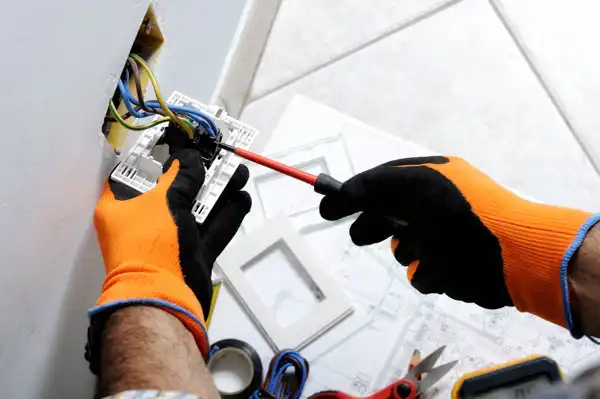
Electrical needs are usually modest. Most control valves plug into a standard outlet, but the outlet should be safe, grounded, and located properly. If the installation area lacks power, an Electrician may need to add an outlet. If the same utility space also houses HVAC equipment, lighting, and pumps, a Lighting contractor or electrical pro can help clean up unsafe extension cord jungles. The softener itself is not a power hog. The problem is usually the creative wiring that came before it.
Salt, potassium, and the sodium question
Most residential softeners use sodium chloride pellets. Potassium chloride can also work in many systems, though it generally costs more and may require programming adjustments because it is not quite as efficient in regeneration. Some homeowners choose potassium because of sodium concerns, plant concerns, or personal preference.
Softened water contains added sodium, but the amount depends on hardness. The harder the water, the more sodium is exchanged into it. For many healthy adults, the added sodium is modest compared with dietary sources, but people on strict sodium-restricted diets should ask a physician and consider leaving a cold kitchen tap unsoftened or adding reverse osmosis for drinking water. That is not alarmism. It is just grown-up plumbing.
Softened water also feels different. Some people say it feels slippery in the shower. That sensation is usually soap rinsing differently, not soap left behind. Hard water reacts with soap to create scum, which gives skin that squeaky feel some people associate with “clean.” Soft water lets soap rinse without forming as much residue. The first week can feel odd, like your shower got a personality transplant. Most people adjust quickly.
Salt use depends on system efficiency, hardness, water consumption, and programming. Modern demand-initiated softeners regenerate based on measured water use rather than a fixed timer, which reduces waste. A well-set system might use far less salt than an old timer-based unit regenerating every Tuesday at 2 a.m. Whether anyone used water or not. Old timer systems have the emotional depth of a toaster.
The difference between softeners and conditioners
Water conditioners are often marketed as salt-free alternatives. Some use template-assisted crystallization, magnetic fields, electronic pulses, or other methods intended to reduce scale adhesion rather than remove hardness minerals. A salt-free conditioner may help in certain situations, particularly where the goal is scale reduction and the water chemistry cooperates. But it does not produce softened water in the ion-exchange sense because calcium and magnesium remain in the water.
That distinction matters. If you want better soap lather, softer laundry, and true hardness removal, a traditional softener is usually the more predictable choice. If salt discharge is restricted by local rules, if maintenance access is difficult, or if the homeowner only wants to reduce scale in specific appliances, a conditioner may be worth discussing. Just do not buy one expecting it to behave exactly like a softener. That is how disappointment gets plumbed into the main line.
A practical contractor will explain the trade-off plainly. Some homes need filtration before softening. Some need iron treatment first. Some need pressure regulation because high pressure beats up valves, fixtures, water heaters, and softener components. If static water pressure is above common residential comfort ranges, often around 80 psi or higher depending on code and local standards, a pressure-reducing valve may be needed. High pressure plus hard water is a duet nobody requested.
A short homeowner checklist before installation day
This is one of the few times a list earns its keep. Before the installer arrives, a little preparation can save time and prevent the classic laundry-room shuffle, where everyone pretends the stack of holiday decorations is not blocking the main shutoff.
- Clear a path to the main water line, water heater, floor drain, and electrical outlet.
- Know whether outdoor spigots or kitchen cold water should remain unsoftened.
- Ask for the hardness setting and regeneration schedule to be explained before the installer leaves.
- Keep a few bags of the recommended salt on hand, but do not overfill the brine tank like you are stocking a bunker.
- Confirm where the bypass valve is and how to use it.
After installation, run water at several fixtures to clear air from the lines. Check under nearby fittings over the next day or two. New work should be dry, but plumbing systems move, settle, and occasionally reveal a fitting that wants attention. Better to catch a weep early than discover it after it has auditioned for a mold documentary.
Protecting the water heater is the big prize
If water softener installation had a favorite appliance to protect, it would probably be the water heater. The water heater sits at the intersection of heat, minerals, pressure, and daily demand. It is basically a spa for scale formation.
Softened water reduces new mineral buildup inside the heater. That can improve efficiency, reduce noise, and help the tank maintain capacity longer. It does not eliminate the need for maintenance, especially in areas with sediment or older infrastructure, but it changes the conditions inside the tank. Annual flushing may still be recommended, though the value and method depend on heater age, tank condition, and manufacturer guidance. If a tank has not been flushed in ten years, suddenly opening the drain valve can create its own little plumbing opera. Sometimes the valve clogs. Sometimes it leaks afterward. Sometimes it works perfectly, just to keep plumbers humble.
Tankless water heaters are even more sensitive to water quality. Manufacturers often specify hardness limits or descaling intervals. In hard water homes, a softener can be the difference between routine maintenance and repeated service calls. If you are planning a new Water heater installation, especially tankless, ask about water treatment before the unit goes in. Adding treatment afterward is possible, but planning ahead usually makes the piping cleaner and the ownership experience less dramatic.
The hidden benefit: fewer nuisance calls
Hard water creates small annoyances that do not always look connected. A faucet loses flow because the aerator clogs. A shower valve gets stiff. A dishwasher leaves grit. A toilet fill valve gets noisy. A washing machine valve sticks. A humidifier pad crusts over. None of these may seem like a water hardness problem by itself, but together they form a pattern.
For service companies that handle Plumbing leak repair, Drain cleaning, Air conditioning repair, Air conditioning maintenance, and heating work, those patterns show up across trades. A homeowner may call an Air conditioning repair service because the HVAC system is not keeping humidity comfortable, only for the technician to notice a neglected whole-house humidifier affected by mineral scale during the heating season. A Heating contractor may spot water quality issues near a boiler fill assembly. A Gas installation service technician replacing a gas water heater may find heavy sediment in the old tank. A Plumber clearing a faucet may find white chips of mineral scale in the aerator.
Homes are systems, not separate little kingdoms. Water quality touches more of that system than people expect.
That does not mean a softener prevents every repair. It will not stop tree roots from invading a sewer line. It will not fix a cracked heat exchanger, a bad capacitor, a failing breaker, or a drain line with the slope of a lazy hammock. You still need Rooter service for roots, Hydrojetting for certain heavy drain buildups, an Electrician for electrical faults, an Air conditioning tune-up for cooling equipment, and Furnace repair service when the furnace decides February is a fine time for a breakdown. But by reducing mineral scale, a softener removes one chronic source of wear from the home.
Maintenance is simple, but not optional
A water softener is not a set-it-and-forget-it appliance unless your definition of “forget it” includes discovering an empty brine tank six months later. Maintenance is not difficult. It just needs to happen.
Salt should be checked regularly, often monthly at first until you learn the system’s appetite. Keep the brine tank at a sensible level. Many homeowners maintain it around half full and avoid filling it to the top unless they know usage is high. Overfilling can encourage salt bridging, where a hard crust forms above the water level and prevents salt from dissolving properly. The tank looks full, but the system is not making brine. Sneaky? Very. Impressive? Only if you admire betrayal.
The brine tank may need occasional cleaning, especially if using lower-quality salt with more insoluble material. The injector and valve assembly may need service over time. Resin can last many years, often a decade or more in good conditions, but chlorine, iron fouling, high sediment, and poor maintenance can shorten its life. Carbon prefiltration may help protect resin from chlorine in some municipal supplies, though it adds maintenance and must be sized correctly.
If the water suddenly feels hard again, do not immediately assume the whole softener failed. Check salt level, look for a salt bridge, confirm the bypass is not open, verify the clock and settings, and make sure the unit has power. If those basics check out, it is time for service. Guessing at valve internals without experience is a fine way to turn a repair into a parts treasure hunt.
What can go wrong with a bad installation
A poor installation can make a good softener look guilty. The most common sins are bad sizing, sloppy drain connections, missing or inaccessible bypass valves, wrong hardness settings, untreated outdoor lines that should have been treated or treated hose bibs that should not have been, and installations jammed so tightly into corners that future service requires yoga credentials.
Drain mistakes deserve special attention. The softener discharge line needs proper air gap protection and should connect to an approved drain point. Shoving a drain tube down a standpipe without proper separation may violate code and create contamination risk. Routing discharge to a place that cannot handle flow can cause backups. Sending brine where local rules prohibit it can create compliance issues. This is plumbing, not arts and crafts.
Pipe material also matters. Copper, PEX, CPVC, and older galvanized systems each have their own handling requirements. Bonding and grounding must be considered when cutting metallic water piping, which may involve an Electrician if grounding continuity is affected. In some homes, the water piping is part of the electrical grounding path. Cut first and ask later is a strategy best reserved for people with excellent insurance and poor judgment.
A professional installation also includes startup testing. The installer should confirm hardness reduction, check for leaks, verify regeneration settings, and explain operation. If they sprint away before showing you the bypass valve, that is not a great sign.
Cost, value, and the “do I really need this?” moment
The cost of water softener installation varies by region, equipment quality, plumbing complexity, drain access, permits, and whether additional work is needed. A basic replacement in a prepared location costs less than a first-time installation requiring new piping, a drain route, an outlet, pressure regulation, or filtration. Prices can range widely, so broad national numbers often mislead more than they help. The better question is what problem you are solving and what the untreated water is already costing.
If hard water shortens water heater life, causes repeated fixture repairs, makes cleaning harder, and reduces appliance performance, the softener is not just a comfort purchase. It is preventive maintenance. Not exciting preventive maintenance, perhaps, but neither is changing furnace filters, and neglecting those can turn an Air conditioning maintenance visit into an Air conditioning repair appointment with a larger invoice and a technician giving your filter the side-eye.
The value becomes clearer when paired with major equipment upgrades. Installing a new tankless heater? Address hardness. Planning Plumbing repiping? Consider water treatment to protect the new lines and fixtures. Replacing a dishwasher for the second time in a decade? Test the water before blaming the brand. Adding a humidifier during HVAC work? Ask what hard water will do to the pad and panel. The cheapest time to plan water treatment is before the next appliance becomes evidence.
A few cases where extra judgment matters
Some homes need more than a standard softener. Well water with iron may require an iron filter or special resin cleaning strategy. High sediment may need a spin-down or cartridge filter ahead of the softener. Low pH water can be corrosive and may need neutralization. Very high total dissolved solids may call for reverse osmosis at drinking taps. Chlorinated municipal water may benefit from carbon filtration, but carbon systems must be maintained because exhausted filters become expensive pipe decorations.
Septic homes deserve a thoughtful approach. The added regeneration water is usually modest compared with normal household use, but system capacity, age, soil absorption, and local regulations matter. A struggling septic system should be evaluated before adding any regular discharge. Septic system service professionals and plumbers sometimes need to compare notes, preferably before the yard develops a suspiciously green patch.
Local restrictions can also affect softener choice. Some municipalities limit or regulate salt-based softeners because of chloride discharge concerns. In those areas, efficient demand-initiated systems, off-site exchange tanks, potassium use, or alternative scale-control devices may be discussed. Regulations vary, and responsible contractors should know the local rules.
The homeowner’s realistic maintenance rhythm
A softener does its best work when it becomes part of normal home care. Not a hobby. Not a second career. Just a rhythm.
Check salt monthly at first. Test hardness a few times a year, especially if water conditions change or the system seems off. Schedule service if the unit uses salt but the water tests hard, if the brine tank overfills, if regeneration runs constantly, or if water pressure drops after installation. Keep the area around the unit accessible. A softener hidden behind paint cans, luggage, and a treadmill last used during a presidential administration is not being maintained. It is being entombed.
Pair water softener care with other practical home maintenance. When you book an Air conditioning tune-up before summer, glance at the softener. When you schedule Furnace repair service or seasonal heating maintenance before winter, check the brine tank. When a Lighting contractor upgrades utility room lighting, make sure the softener area is bright enough to inspect. Good homes are maintained in layers, not panic bursts.
The real reason softeners earn their keep
Water softener installation protects pipes and appliances because it addresses a slow, persistent cause of damage before it becomes a parade of repairs. Hard water rarely destroys a home dramatically. It prefers attrition. A little scale here, a clogged valve there, a noisy water heater, a dishwasher that ages like milk, a showerhead that sprays in seven directions except down.
A good softener changes that trajectory. It gives plumbing a cleaner working environment. It helps water heaters and appliances operate with less mineral stress. It reduces cleaning battles. It makes daily water use feel better. It is not the flashiest upgrade, but it is one of the few that quietly helps almost every room with a fixture.
The best installations come from proper testing, honest sizing, clean plumbing, code-compliant drainage, and a homeowner who understands the basics. Get those right, and the softener becomes one of the most dependable pieces of equipment in the house. It sits there, cycles when needed, eats salt at a reasonable pace, and keeps calcium from turning your plumbing into a geology exhibit.
Which, frankly, is enough excitement for any utility room.
Name: Service Lion Plumbing Heating Air Electric
Address: 521 W Briardale Ave, Orange, CA 92865, United States
Phone: (657) 567-7305
Website: https://callservicelion.com/
Email: [email protected]
Hours:
Monday: Open 24 hours
Tuesday: Open 24 hours
Wednesday: Open 24 hours
Thursday: Open 24 hours
Friday: Open 24 hours
Saturday: Open 24 hours
Sunday: Open 24 hours
Open-location code: R48R+WV Orange, California, USA
Map/listing URL:
https://www.google.com/maps/search/?api=1&query=Google&query_place_id=ChIJQU4LBWHV3IARtnABtyykSA4
Google Map:
Socials:
https://www.facebook.com/ServiceLionCA/
https://www.youtube.com/channel/UCR_L35QzsRTxYZtX8PxJvPw
Local Service Information
Service Lion Plumbing Heating Air Electric provides plumbing, drain, heating, air conditioning, and electrical services from its Orange, California location.The company serves homeowners and properties throughout Orange and communities across Orange County and surrounding areas.
Available services include plumbing repairs, water heater work, drain and sewer services, heating and cooling service, electrical repairs, panels, lighting, outlets, and related home-system work.
Service is available for residential properties as well as light commercial needs described within the company's local service-area information.
The company's website emphasizes locally operated service, coordinated home-system support, and practical scheduling for plumbing, HVAC, and electrical needs.
The matching public business listing shows the Orange location as open 24 hours a day, seven days a week.
For service information or scheduling, call (657) 567-7305 or visit https://callservicelion.com/.
The public map listing identifies the business at 521 W Briardale Ave, Orange, CA 92865 and can be used for location and direction information.
Popular Questions About Service Lion Plumbing Heating Air Electric
What services does Service Lion Plumbing Heating Air Electric provide?
The company provides plumbing, drain and sewer, heating, air conditioning, and electrical services. Its published services include plumbing repair, water heaters, drain clearing, sewer work, HVAC repair and installation, electrical repairs, panels, circuit breakers, lighting, outlets, and related services.
Where is Service Lion Plumbing Heating Air Electric located?
The matching business location is 521 W Briardale Ave, Orange, CA 92865, United States.
What areas does Service Lion Plumbing Heating Air Electric serve?
The company serves Orange County and surrounding communities. Its published service-area information includes Orange, Anaheim, Brea, Yorba Linda, Fullerton, Huntington Beach, Newport Beach, Costa Mesa, Irvine, Lake Forest, and additional nearby cities.
Is Service Lion Plumbing Heating Air Electric open 24 hours?
The matching public business listing shows the location as open 24 hours on Monday through Sunday.
Does Service Lion Plumbing Heating Air Electric work on drains and sewer lines?
Yes. Published services include drain clearing, rooter service, camera inspection, hydro jetting, sewer line repair and installation, water line work, slab leak detection, and trenchless sewer line repair.
Does Service Lion Plumbing Heating Air Electric provide heating and air conditioning service?
Yes. Its published HVAC services include air conditioning repair and installation, heating service, furnace work, heat pumps, air ducts, indoor air quality assessments, and thermostat installation.
Does Service Lion Plumbing Heating Air Electric provide electrical service?
Yes. Published electrical services include repairs and installations, electrical panels, circuit breakers, safety inspections, lighting, outlets and switches, surge protection, generators, and EV charging equipment installation.
How can I contact Service Lion Plumbing Heating Air Electric?
Call (657) 567-7305.
Email: [email protected]
Website: https://callservicelion.com/
Facebook: https://www.facebook.com/ServiceLionCA/
Landmarks Near Orange, California
Old Towne Orange Historic District
A central historic district and useful geographic reference point for the Orange community.
Plaza Park
A well-known public gathering point in the center of Old Towne Orange.
Orange Public Library & History Center
A civic landmark serving residents near central Orange.
Hart Park
A major public park and recreation area south of central Orange.
Eisenhower Park
A public park serving neighborhoods in northern Orange.
Santiago Oaks Regional Park
A regional recreation and open-space landmark on the eastern side of Orange.
Irvine Regional Park
A large regional park and recognizable reference point east of the city.
Orange Park Acres
A distinctive residential community and service-area reference point in eastern Orange.
El Modena
An established Orange neighborhood that provides a practical local coverage reference.
Glassell Street
One of the city's principal north-south streets and a useful route through central Orange.
Lincoln Avenue
A major east-west roadway serving northern Orange and nearby communities.
State Route 55
A primary regional freeway connecting Orange with other parts of Orange County.